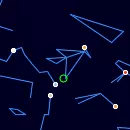
Phoenix Constellation
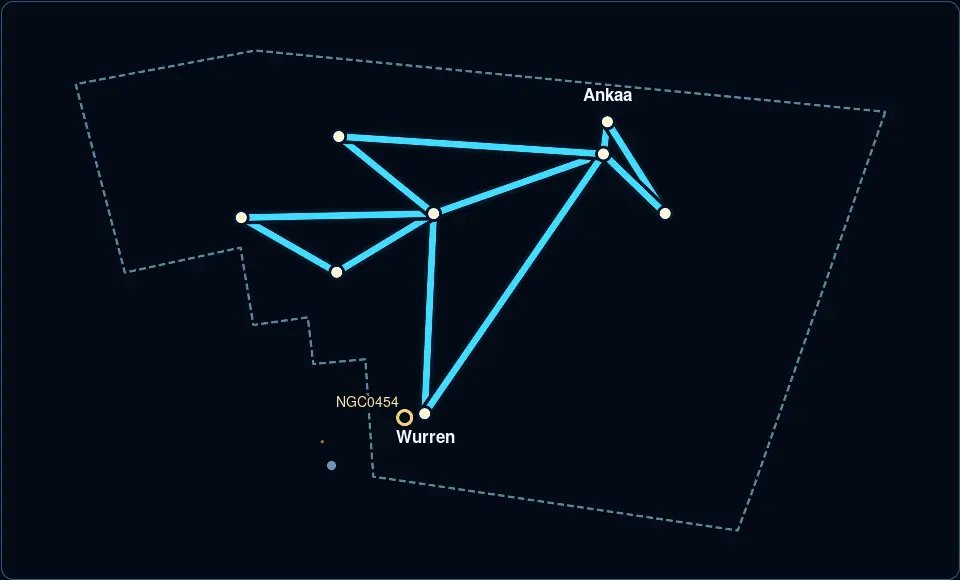
Phoenix, the mythical bird, is a southern constellation named after the phoenix, symbolizing rebirth and immortality, and is located near the south celestial pole.
Where is Phoenix right now?
The center of the constellation is currently 29° above the horizon toward the south-east.
Phoenix Rise and Set Timetable
| Time | Elevation | |
| Phoenix rise | 17:55 | |
| Sunset | 18:49 | 9° |
| Civil sunset | 19:11 | 12° |
| Twilight start (−12°) | 19:36 | 16° |
Moonrise, 98.9% illuminated  | 19:51 | 18° |
| Astronomical observing session begins | 21:18 | 29° |
| Phoenix transit | 23:48 | 39° |
| Phoenix set | 05:41 | |
| Astronomical observing session ends | 06:00 | -3° |
| Moonset | 08:26 | -26° |
Track Phoenix position throughout the night
← 27 October 2026 →
| Time | |
| Altitude | |
| Azimuth |
Shift the map to change the time and observe Phoenix changing position in the night sky.
Annual motion of Phoenix
| Date | Wed, 28 October 2026 |
| Twilight start | 19:59 |
| Twilight end | 05:32 |
| Twilight duration | 10h 33m |
| Rise | 17:52 |
| Set | 05:37 |
| Elevation at transit | 39° |
| Transit time | 23:44 |
| Equatorial coordinates | RA: 01h 07m 55s", Dec: -49° 55' 49s |