
Can you see the Milky Way tonight?
The Milky Way is visible from many locations throughout the year, but the part you can see — and how bright it appears — changes with the season, time of night and your latitude. This page shows where the Milky Way crosses your sky tonight, which of its brightest regions are above the horizon, and when they are best placed for viewing.
Around 23:31, one of the best-placed parts of the Milky Way is Cassiopeia and Perseus. Look toward the north, where it will be about 67° above the horizon. Actual visibility also depends on weather and local light pollution. The Moon is below the horizon at the best time, so moonlight should not interfere.
What it may actually look like
Both views show the same sky at the best time and in the best direction tonight. The difference is how the eye and a camera record faint light.
This is an orientation aid, not a camera exposure calculator. Eyes, cameras, haze, clouds and local light pollution vary. The naked-eye view assumes you avoid bright lights and let your eyes adapt.
Where the Milky Way is tonight
How the Milky Way shifts through the year
The Milky Way does not appear in the same place at the same time throughout the year. Move the date slider to see how its position changes from season to season and when its brightest regions are visible during the darkest part of the night. The timeline shows daylight, twilight and darkness for the selected date.
Interesting parts of the Milky Way
The Milky Way is not equally bright along its entire length. Some sections contain dense star clouds, while others are crossed by dark lanes of interstellar dust. The Sagittarius region toward the Galactic Center is especially rich and bright, while the northern Milky Way through Cygnus and Cassiopeia contains prominent star fields and dark nebulae. The regions currently above your horizon are listed first; select one to see where to look tonight and how its visibility changes during the year.
Visible now
Cygnus Star Cloud
Milky Way region
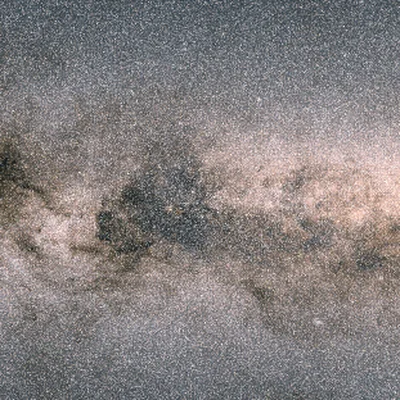
Great Rift
Milky Way region
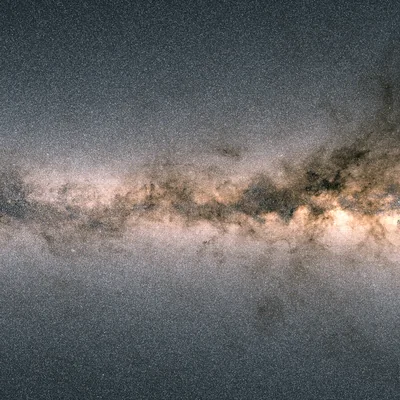
Cepheus Milky Way
Milky Way region
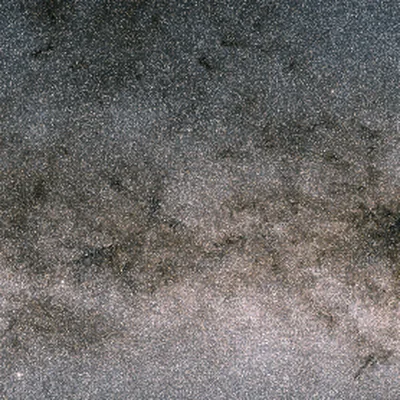
Scutum Star Cloud
Milky Way region
Cassiopeia and Perseus
Milky Way region
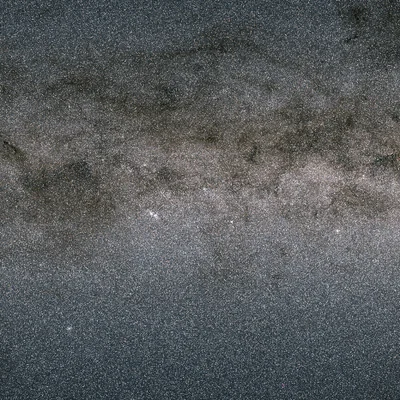
Small Sagittarius Star Cloud (M24)
Milky Way region

Large Sagittarius Star Cloud
Milky Way region
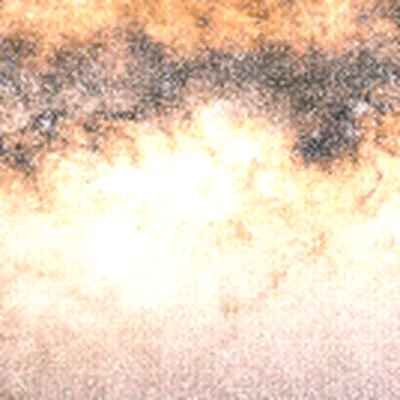
Galactic Center
Milky Way region
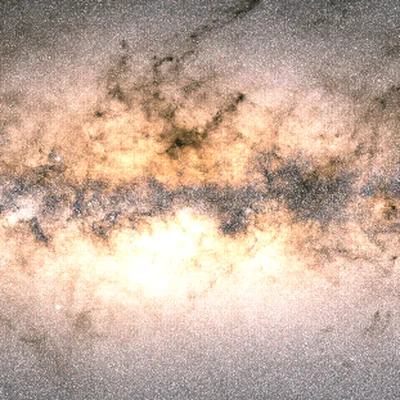
Below the horizon now
Winter Milky Way
Milky Way region
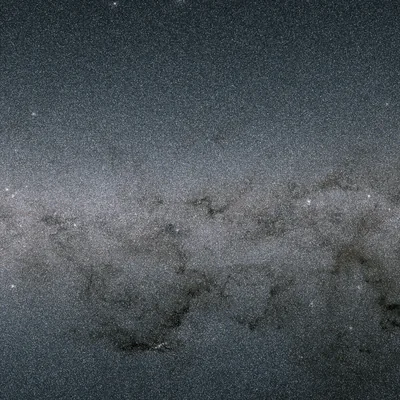
Never rises from your location
Coalsack
Milky Way region

Crux–Centaurus Milky Way
Milky Way region
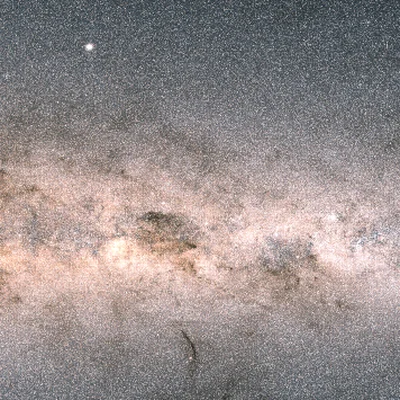
Carina Star Fields
Milky Way region
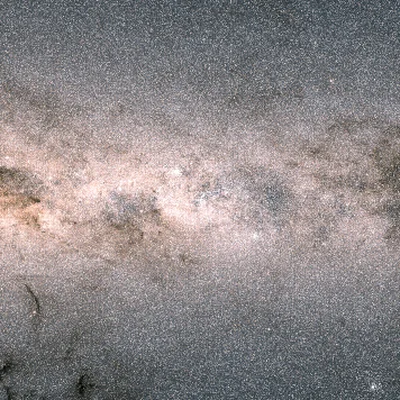
Images: ESA/Gaia/DPAC; acknowledgement: A. Moitinho. CC BY-SA 3.0 IGO. Modified: region crops and resizing.
What determines whether you will see it
Darkness
Unlike planets and bright stars, the Milky Way has very low surface brightness. It becomes much easier to see after astronomical twilight ends, when the Sun is at least 18° below the horizon. Give your eyes 15–20 minutes to adapt to the darkness and avoid bright phone screens while observing.
Light pollution
Light pollution is often the main reason the Milky Way cannot be seen. From the center of a large city, most of the galactic band may be invisible even on a perfectly clear, moonless night. Moving away from city lights can make a much larger difference than waiting for a particularly favorable date.
Moonlight
Moonlight brightens the sky and reduces the contrast of the Milky Way. Near Full Moon, only the brightest parts may remain detectable, while around New Moon the sky can be dramatically darker. The effect also depends on whether the Moon is above the horizon at the same time as the Milky Way; a good viewing window often begins after moonset.
Season and latitude
The Milky Way is present in the sky throughout the year, but different parts are best placed in different seasons. The bright Sagittarius region around the Galactic Center is primarily a summer sight from northern mid-latitudes, while the fainter outer Milky Way is prominent in the winter sky. Latitude determines how high each region can rise: the Galactic Center can pass high overhead from some southern locations but remains low in the south, or may not rise at all, from far-northern latitudes.
Transparency and weather
A cloud-free forecast does not necessarily mean a transparent sky. Haze, humidity, smoke and airborne dust scatter natural and artificial light and can wash out the Milky Way. Clear, dry and transparent nights usually provide the strongest contrast.
How to find the Milky Way tonight
Start with the map above and find a bright Milky Way region that is above your horizon during darkness. Note its direction and altitude, then look for the darkest part of your local horizon in that direction. If the Galactic Center is unavailable, another section such as Cygnus, Cassiopeia or the winter Milky Way may still be well placed.
Do not expect the Milky Way to look like a long-exposure photograph. To the unaided eye it usually appears as a pale, diffuse band with brighter patches and dark gaps. Under a genuinely dark, transparent sky, however, its structure can become surprisingly detailed, especially through Sagittarius, Cygnus and the Great Rift.