
Deep-sky objects in Capricornus
Sky Map
The sky above you at 14:30
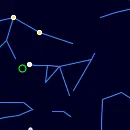
This interactive sky map shows the positions of the brightest celestial objects from your location. Move it horizontally to follow how their positions change through the night.
M30
Globular Cluster

A globular cluster containing hundreds of thousands of stars, located approximately 26,000 light-years away in the constellation Capricornus.
NGC6907
Galaxy
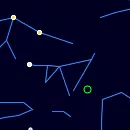
NGC6907 is a galaxy with apparent magnitude 11.16 in the constellation Capricornus, spanning approximately 3.3 arcseconds in the sky.
NGC6908
Galaxy
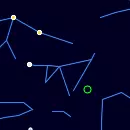
NGC6908 is a galaxy with apparent magnitude 12.31 in the constellation Capricornus, spanning approximately 1.9 arcseconds in the sky.
IC5078
Galaxy
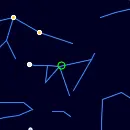
IC5078 is a galaxy with apparent magnitude 12.65 in the constellation Capricornus, spanning approximately 3.2 arcseconds in the sky.
NGC6924
Galaxy
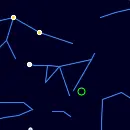
NGC6924 is a galaxy with apparent magnitude 12.79 in the constellation Capricornus, spanning approximately 1.7 arcseconds in the sky.
NGC6903
Galaxy
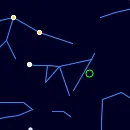
NGC6903 is a galaxy with apparent magnitude 12.90 in the constellation Capricornus, spanning approximately 2.2 arcseconds in the sky.
IC1386
Galaxy
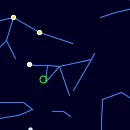
IC1386 is a galaxy with apparent magnitude 13.12 in the constellation Capricornus, spanning approximately 1 arcseconds in the sky.
NGC6912
Galaxy
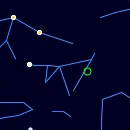
NGC6912 is a galaxy with apparent magnitude 13.22 in the constellation Capricornus, spanning approximately 1.3 arcseconds in the sky.
IC4999
Galaxy
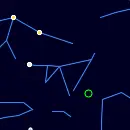
IC4999 is a galaxy with apparent magnitude 13.24 in the constellation Capricornus, spanning approximately 2 arcseconds in the sky.
IC5005
Galaxy
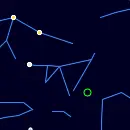
IC5005 is a galaxy with apparent magnitude 13.59 in the constellation Capricornus, spanning approximately 1.4 arcseconds in the sky.
NGC6936
Galaxy

NGC6936 is a galaxy with apparent magnitude 13.96 in the constellation Capricornus, spanning approximately 1.8 arcseconds in the sky.
NGC6931
Galaxy
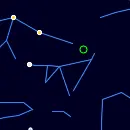
NGC6931 is a galaxy with apparent magnitude 14.00 in the constellation Capricornus, spanning approximately 1.3 arcseconds in the sky.
NGC6993
Galaxy
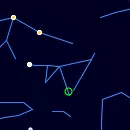
NGC6993 is a galaxy with apparent magnitude 14.03 in the constellation Capricornus, spanning approximately 1.5 arcseconds in the sky.
NGC6898
Galaxy
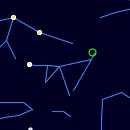
NGC6898 is a galaxy with apparent magnitude 14.04 in the constellation Capricornus, spanning approximately 1 arcseconds in the sky.
IC1339
Galaxy
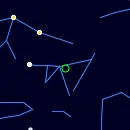
IC1339 is a galaxy with apparent magnitude 14.17 in the constellation Capricornus, spanning approximately 1.5 arcseconds in the sky.
NGC7105
Galaxy

NGC7105 is a galaxy with apparent magnitude 14.25 in the constellation Capricornus, spanning approximately 1.5 arcseconds in the sky.
IC1324
Galaxy
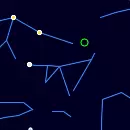
IC1324 is a galaxy with apparent magnitude 14.29 in the constellation Capricornus, spanning approximately 1.3 arcseconds in the sky.
IC5088
Galaxy
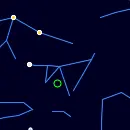
IC5088 is a galaxy with apparent magnitude 14.49 in the constellation Capricornus, spanning approximately 1.4 arcseconds in the sky.
NGC7073
Galaxy
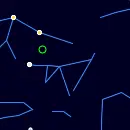
NGC7073 is a galaxy with apparent magnitude 14.49 in the constellation Capricornus, spanning approximately 0.9 arcseconds in the sky.
IC1412
Galaxy
IC1412 is a galaxy with apparent magnitude 14.55 in the constellation Capricornus, spanning approximately 1.3 arcseconds in the sky.
Data Credits
The deep-sky information on this page comes from the OpenNGC project developed by Matteo Verga. OpenNGC provides detailed catalog data for nebulae, galaxies, clusters and other deep-sky objects.
For details or contributions, visit the official repository: OpenNGC GitHub.