
Deep-sky objects in Horologium
Sky Map
The sky above you at 01:11
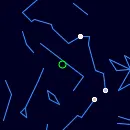
This interactive sky map shows the positions of the brightest celestial objects from your location. Move it horizontally to follow how their positions change through the night.
NGC1261
Globular Cluster

NGC1261 is a globular cluster with apparent magnitude 8.63 in the constellation Horologium, spanning approximately 5.1 arcseconds in the sky.
NGC1433
Galaxy

NGC1433 is a galaxy with apparent magnitude 9.95 in the constellation Horologium, spanning approximately 6.2 arcseconds in the sky.
NGC1512
Galaxy
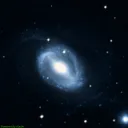
NGC1512 is a galaxy with apparent magnitude 10.37 in the constellation Horologium, spanning approximately 8.4 arcseconds in the sky.
NGC1527
Galaxy
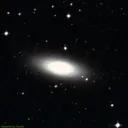
NGC1527 is a galaxy with apparent magnitude 10.80 in the constellation Horologium, spanning approximately 4.6 arcseconds in the sky.
IC2042
Star
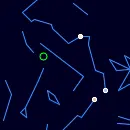
IC2042 is a star with apparent magnitude 10.94 in the constellation Horologium.
NGC1448
Galaxy

NGC1448 is a galaxy with apparent magnitude 10.94 in the constellation Horologium, spanning approximately 8 arcseconds in the sky.
NGC1411
Galaxy
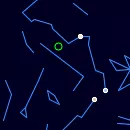
NGC1411 is a galaxy with apparent magnitude 11.19 in the constellation Horologium, spanning approximately 2.5 arcseconds in the sky.
NGC1493
Galaxy
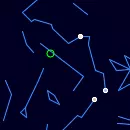
NGC1493 is a galaxy with apparent magnitude 11.44 in the constellation Horologium, spanning approximately 3.4 arcseconds in the sky.
IC1954
Galaxy
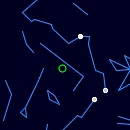
IC1954 is a galaxy with apparent magnitude 11.58 in the constellation Horologium, spanning approximately 3 arcseconds in the sky.
IC2035
Galaxy
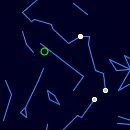
IC2035 is a galaxy with apparent magnitude 11.75 in the constellation Horologium, spanning approximately 1.4 arcseconds in the sky.
NGC1249
Galaxy
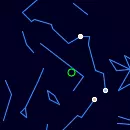
NGC1249 is a galaxy with apparent magnitude 11.77 in the constellation Horologium, spanning approximately 3.6 arcseconds in the sky.
NGC1494
Galaxy
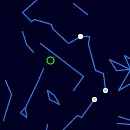
NGC1494 is a galaxy with apparent magnitude 11.95 in the constellation Horologium, spanning approximately 3.5 arcseconds in the sky.
IC2000
Galaxy
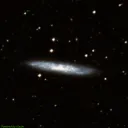
IC2000 is a galaxy with apparent magnitude 12.38 in the constellation Horologium, spanning approximately 4.9 arcseconds in the sky.
IC1970
Galaxy
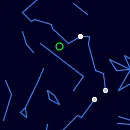
IC1970 is a galaxy with apparent magnitude 12.44 in the constellation Horologium, spanning approximately 3 arcseconds in the sky.
NGC1031
Galaxy
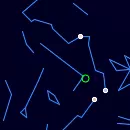
NGC1031 is a galaxy with apparent magnitude 12.52 in the constellation Horologium, spanning approximately 2.3 arcseconds in the sky.
IC1933
Galaxy
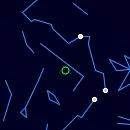
IC1933 is a galaxy with apparent magnitude 12.57 in the constellation Horologium, spanning approximately 2.3 arcseconds in the sky.
NGC1495
Galaxy
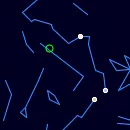
NGC1495 is a galaxy with apparent magnitude 12.64 in the constellation Horologium, spanning approximately 2.2 arcseconds in the sky.
NGC1483
Galaxy
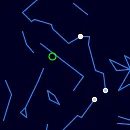
NGC1483 is a galaxy with apparent magnitude 12.76 in the constellation Horologium, spanning approximately 1.9 arcseconds in the sky.
NGC1096
Galaxy
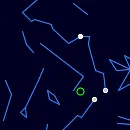
NGC1096 is a galaxy with apparent magnitude 12.78 in the constellation Horologium, spanning approximately 1.8 arcseconds in the sky.
IC1959
Galaxy
IC1959 is a galaxy with apparent magnitude 12.83 in the constellation Horologium, spanning approximately 3.1 arcseconds in the sky.
Data Credits
The deep-sky information on this page comes from the OpenNGC project developed by Matteo Verga. OpenNGC provides detailed catalog data for nebulae, galaxies, clusters and other deep-sky objects.
For details or contributions, visit the official repository: OpenNGC GitHub.