
Deep-sky objects in Telescopium
Sky Map
The sky above you at 17:18
This interactive sky map shows the positions of the brightest celestial objects from your location. Move it horizontally to follow how their positions change through the night.
NGC6584
Globular Cluster

NGC6584 is a globular cluster with apparent magnitude 8.17 in the constellation Telescopium, spanning approximately 5.1 arcseconds in the sky.
IC4868
Double star

IC4868 is a double star with apparent magnitude 10.56 in the constellation Telescopium.
NGC6868
Galaxy

NGC6868 is a galaxy with apparent magnitude 10.59 in the constellation Telescopium, spanning approximately 3.6 arcseconds in the sky.
NGC6861
Galaxy

NGC6861 is a galaxy with apparent magnitude 11.04 in the constellation Telescopium, spanning approximately 3.2 arcseconds in the sky.
IC4889
Galaxy

IC4889 is a galaxy with apparent magnitude 11.22 in the constellation Telescopium, spanning approximately 3 arcseconds in the sky.
IC4797
Galaxy

IC4797 is a galaxy with apparent magnitude 11.32 in the constellation Telescopium, spanning approximately 2.6 arcseconds in the sky.
NGC6758
Galaxy

NGC6758 is a galaxy with apparent magnitude 11.39 in the constellation Telescopium, spanning approximately 2.8 arcseconds in the sky.
IC4837A
Galaxy
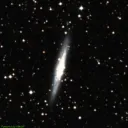
IC4837A is a galaxy with apparent magnitude 11.71 in the constellation Telescopium, spanning approximately 4.5 arcseconds in the sky.
NGC6893
Galaxy

NGC6893 is a galaxy with apparent magnitude 11.71 in the constellation Telescopium, spanning approximately 2.9 arcseconds in the sky.
NGC6851
Galaxy

NGC6851 is a galaxy with apparent magnitude 11.84 in the constellation Telescopium, spanning approximately 2.2 arcseconds in the sky.
NGC6861D
Galaxy

NGC6861D is a galaxy with apparent magnitude 11.94 in the constellation Telescopium, spanning approximately 2.4 arcseconds in the sky.
NGC6870
Galaxy

NGC6870 is a galaxy with apparent magnitude 11.94 in the constellation Telescopium, spanning approximately 2.6 arcseconds in the sky.
NGC6909
Galaxy

NGC6909 is a galaxy with apparent magnitude 11.99 in the constellation Telescopium, spanning approximately 2.4 arcseconds in the sky.
NGC6875
Galaxy

NGC6875 is a galaxy with apparent magnitude 12.03 in the constellation Telescopium, spanning approximately 2.2 arcseconds in the sky.
NGC6788
Galaxy

NGC6788 is a galaxy with apparent magnitude 12.05 in the constellation Telescopium, spanning approximately 3.2 arcseconds in the sky.
NGC6887
Galaxy

NGC6887 is a galaxy with apparent magnitude 12.08 in the constellation Telescopium, spanning approximately 3.4 arcseconds in the sky.
NGC6754
Galaxy

NGC6754 is a galaxy with apparent magnitude 12.22 in the constellation Telescopium, spanning approximately 2 arcseconds in the sky.
IC4796
Galaxy

IC4796 is a galaxy with apparent magnitude 12.30 in the constellation Telescopium, spanning approximately 2 arcseconds in the sky.
IC4933
Galaxy

IC4933 is a galaxy with apparent magnitude 12.35 in the constellation Telescopium, spanning approximately 2.1 arcseconds in the sky.
NGC6854
Galaxy

NGC6854 is a galaxy with apparent magnitude 12.35 in the constellation Telescopium, spanning approximately 2.3 arcseconds in the sky.
Data Credits
The deep-sky information on this page comes from the OpenNGC project developed by Matteo Verga. OpenNGC provides detailed catalog data for nebulae, galaxies, clusters and other deep-sky objects.
For details or contributions, visit the official repository: OpenNGC GitHub.