
Deep-sky objects in Triangulum Australe
Sky Map
The sky above you at 18:38
This interactive sky map shows the positions of the brightest celestial objects from your location. Move it horizontally to follow how their positions change through the night.
NGC6025
Open Cluster
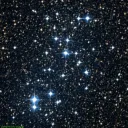
NGC6025 is an open cluster with apparent magnitude 5.10 in the constellation Triangulum Australe, spanning approximately 11.4 arcseconds in the sky.
NGC5938
Galaxy
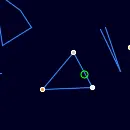
NGC5938 is a galaxy with apparent magnitude 11.49 in the constellation Triangulum Australe, spanning approximately 2.3 arcseconds in the sky.
NGC5979
Planetary Nebula
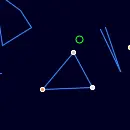
NGC5979 is a planetary nebula with apparent magnitude 11.50 in the constellation Triangulum Australe, spanning approximately 0.1 arcseconds in the sky.
NGC6156
Galaxy
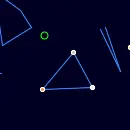
NGC6156 is a galaxy with apparent magnitude 11.98 in the constellation Triangulum Australe, spanning approximately 1.9 arcseconds in the sky.
IC4585
Galaxy
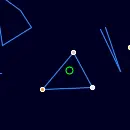
IC4585 is a galaxy with apparent magnitude 12.32 in the constellation Triangulum Australe, spanning approximately 1.6 arcseconds in the sky.
NGC5844
Planetary Nebula
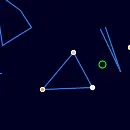
NGC5844 is a planetary nebula with apparent magnitude 13.20 in the constellation Triangulum Australe, spanning approximately 0.9 arcseconds in the sky.
IC4595
Galaxy
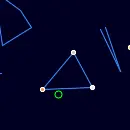
IC4595 is a galaxy with apparent magnitude 13.48 in the constellation Triangulum Australe, spanning approximately 3.3 arcseconds in the sky.
IC4571
Galaxy
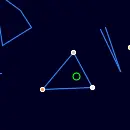
IC4571 is a galaxy with apparent magnitude 13.92 in the constellation Triangulum Australe, spanning approximately 1.6 arcseconds in the sky.
NGC6183
Galaxy
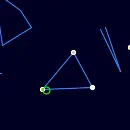
NGC6183 is a galaxy with apparent magnitude 14.09 in the constellation Triangulum Australe, spanning approximately 2.4 arcseconds in the sky.
IC4584
Galaxy
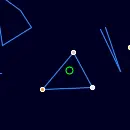
IC4584 is a galaxy with apparent magnitude 15.78 in the constellation Triangulum Australe, spanning approximately 2 arcseconds in the sky.
Data Credits
The deep-sky information on this page comes from the OpenNGC project developed by Matteo Verga. OpenNGC provides detailed catalog data for nebulae, galaxies, clusters and other deep-sky objects.
For details or contributions, visit the official repository: OpenNGC GitHub.