
NGC6079 Position and Visibility Tonight
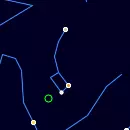
Where is NGC6079 right now?
NGC6079 is located in the constellation Ursa Minor. Although NGC6079 is currently 9° above the horizon, it is not visible because it is daytime.
NGC6079 tonight

NGC6079 visibility on 2026-11-26
NGC6079 is Not visible tonight
NGC6079 rise and set timetable
| Time | Elevation | |
| NGC6079 transit | 11:42 | 20° |
| NGC6079 set | 17:41 | |
| Astronomical observing session begins | 19:04 | -7° |
Moonrise, 97% illuminated  | 20:02 | -12° |
| Astronomical observing session ends | 04:30 | -6° |
| NGC6079 rise | 05:39 | |
| Sunrise | 05:45 | 0° |
| Moonset | 08:35 | 14° |
Track NGC6079 position throughout the night
← 26 November 2026 →
| Time | |
| Altitude | |
| Azimuth |
Shift the map to change the time and observe NGC6079 changing position in the night sky.
Finder Chart for NGC6079
NGC6079 Passage Through Night
Double-click to unlock the map.
Current position of NGC6079
| Time | 16:01 |
| Latitude | 0 |
| Longitude | 0 |
| Elevation | 9° |
| Azimuth | 341° |
Here you can see the current position of NGC6079 on the map, as well as its positions for rise and set. This tool lets you track its movement throughout the night with accurate, up-to-date information.
When Is NGC6079 Visible Throughout the Year?
NGC6079 will become visible again around December 10 after moving far enough from the Sun.
| Date | Fri, 27 November 2026 |
| Astronomical observing session begins | 19:01 |
| Astronomical observing session ends | 04:25 |
| Astronomical observing duration | 9h 24m |
| Rise | 05:39 |
| Set | 17:37 |
| Elevation at transit | 20° |
| Transit time | 11:38 |
| Equatorial coordinates | RA: 16h 04m 29s", Dec: 69° 39' 56s |
| Magnitude | 14 |
| Constellation | Ursa Minor |
The graph illustrates the annual visibility pattern of NGC6079, including its daily appearances and transit times. The vertical axis shows the hours of the day and the horizontal axis spans the year. The reddish area marks when the object is above the horizon, while the white line marks its daily transit.
You can also see when NGC6079 is visible throughout the year in a table with exact rise, transit, and set times for each date.
Astrometric and Physical Parameters of NGC6079
Coordinates and Visibility
| Right Ascension | 16h 04m 29s |
| Declination | 69° 39′ 57″ |
| Magnitude | 13.86 |
| Constellation | Ursa Minor |
| Elevation | 8.5° |
| Azimuth | 341.5° |
Data Credits
The deep-sky information on this page comes from the OpenNGC project developed by Matteo Verga. OpenNGC provides detailed catalog data for nebulae, galaxies, clusters and other deep-sky objects.
For details or contributions, visit the official repository: OpenNGC GitHub.