
Deep-sky objects in Coma Berenices
Sky Map
The sky above you at 18:38
This interactive sky map shows the positions of the brightest celestial objects from your location. Move it horizontally to follow how their positions change through the night.
M53
Globular Cluster

A globular cluster containing hundreds of thousands of stars, located approximately 58,000 light-years away in the constellation Coma Berenices.
Black Eye Galaxy (M64)
Galaxy

A spiral galaxy containing billions of stars, located approximately 19 million light-years away in the constellation Coma Berenices.
M85
Galaxy

Elliptical galaxy a member of the Virgo Cluster, contains numerous globular clusters.
NGC4725
Galaxy
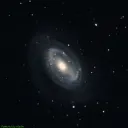
NGC4725 is a galaxy with apparent magnitude 9.38 in the constellation Coma Berenices, spanning approximately 9.7 arcseconds in the sky.
M100
Galaxy
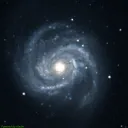
Grand-design spiral galaxy features tightly wound spiral arms and numerous H II regions.
NGC4494
Galaxy

NGC4494 is a galaxy with apparent magnitude 9.80 in the constellation Coma Berenices, spanning approximately 4.4 arcseconds in the sky.
M99
Galaxy
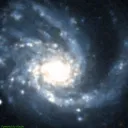
Spiral galaxy exhibits irregular spiral arms and significant dust content.
NGC4559
Galaxy
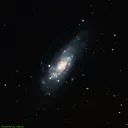
NGC4559 is a galaxy with apparent magnitude 9.92 in the constellation Coma Berenices, spanning approximately 10.6 arcseconds in the sky.
NGC5053
Globular Cluster

NGC5053 is a globular cluster with apparent magnitude 9.96 in the constellation Coma Berenices, spanning approximately 4.8 arcseconds in the sky.
NGC4473
Galaxy
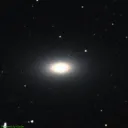
NGC4473 is a galaxy with apparent magnitude 10.09 in the constellation Coma Berenices, spanning approximately 4.3 arcseconds in the sky.
NGC4293
Galaxy
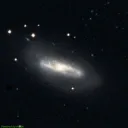
NGC4293 is a galaxy with apparent magnitude 10.17 in the constellation Coma Berenices, spanning approximately 6.2 arcseconds in the sky.
NGC4414
Galaxy
NGC4414 is a galaxy with apparent magnitude 10.20 in the constellation Coma Berenices, spanning approximately 2 arcseconds in the sky.
NGC4278
Galaxy
NGC4278 is a galaxy with apparent magnitude 10.21 in the constellation Coma Berenices, spanning approximately 2.9 arcseconds in the sky.
NGC4459
Galaxy
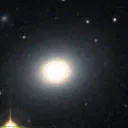
NGC4459 is a galaxy with apparent magnitude 10.25 in the constellation Coma Berenices, spanning approximately 4.2 arcseconds in the sky.
NGC4477
Galaxy
NGC4477 is a galaxy with apparent magnitude 10.31 in the constellation Coma Berenices, spanning approximately 3.7 arcseconds in the sky.
M88
Galaxy
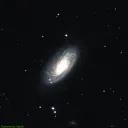
Spiral galaxy a member of the Virgo Cluster, exhibits signs of recent interaction.
NGC4274
Galaxy
NGC4274 is a galaxy with apparent magnitude 10.42 in the constellation Coma Berenices, spanning approximately 3.6 arcseconds in the sky.
NGC4314
Galaxy
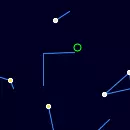
NGC4314 is a galaxy with apparent magnitude 10.57 in the constellation Coma Berenices, spanning approximately 3.7 arcseconds in the sky.
NGC4710
Galaxy
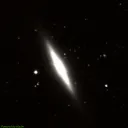
NGC4710 is a galaxy with apparent magnitude 10.71 in the constellation Coma Berenices, spanning approximately 4.4 arcseconds in the sky.
NGC4147
Globular Cluster
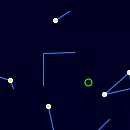
NGC4147 is a globular cluster with apparent magnitude 10.74 in the constellation Coma Berenices, spanning approximately 2.4 arcseconds in the sky.
Data Credits
The deep-sky information on this page comes from the OpenNGC project developed by Matteo Verga. OpenNGC provides detailed catalog data for nebulae, galaxies, clusters and other deep-sky objects.
For details or contributions, visit the official repository: OpenNGC GitHub.