
Syrma Position and Visibility Tonight
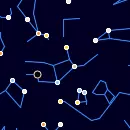
Where is Syrma right now?
Syrma is located in the constellation Virgo. It is currently below the horizon and is not visible from your location.
Syrma tonight
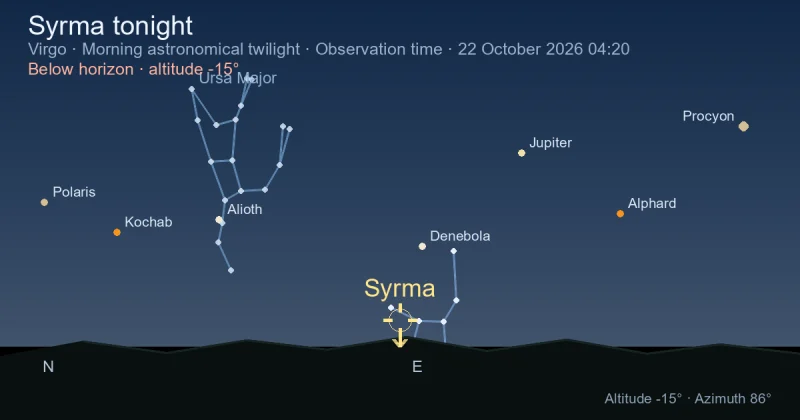
Syrma visibility on 2026-10-22
Syrma Visible from sunset until evening
Syrma rise and set timetable
| Time | Elevation | |
| Syrma transit | 11:22 | 47° |
Moonrise, 71.9% illuminated 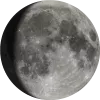 | 14:01 | 33° |
| Sunset | 16:21 | 8° |
| Civil sunset | 16:49 | 3° |
| Syrma set | 17:03 | |
| Astronomical observing session begins | 17:49 | -9° |
| Moonset | 01:36 | -46° |
| Astronomical observing session ends | 03:55 | -20° |
| Syrma rise | 05:38 |
Track Syrma position throughout the night
← 22 October 2026 →
| Time | |
| Altitude | |
| Azimuth |
Shift the map to change the time and observe Syrma changing position in the night sky.
Finder Chart for Syrma
Syrma Passage Through Night
Double-click to unlock the map.
Current position of Syrma
| Time | 20:33 |
| Latitude | 37.3541 |
| Longitude | -121.955 |
| Elevation | -41° |
| Azimuth | 299° |
Here you can see the current position of Syrma on the map, as well as its positions for rise and set. This tool lets you track its movement throughout the night with accurate, up-to-date information.
When Is Syrma Visible Throughout the Year?
Syrma will become visible again around December 10 after moving far enough from the Sun.
| Date | Fri, 23 October 2026 |
| Astronomical observing session begins | 17:48 |
| Astronomical observing session ends | 03:53 |
| Astronomical observing duration | 10h 6m |
| Rise | 05:38 |
| Set | 16:59 |
| Elevation at transit | 47° |
| Transit time | 11:18 |
| Equatorial coordinates | RA: 14h 16m 00s", Dec: -6° 00' 01s |
| Magnitude | 4 |
| Constellation | Virgo |
The graph illustrates the annual visibility pattern of Syrma, including its daily appearances and transit times. The vertical axis shows the hours of the day and the horizontal axis spans the year. The reddish area marks when the object is above the horizon, while the white line marks its daily transit.
You can also see when Syrma is visible throughout the year in a table with exact rise, transit, and set times for each date.
You can also see when Syrma is visible throughout the year in a table with exact rise, transit, and set times for each date.
Astrometric and Physical Parameters of Syrma
Coordinates and Visibility
| Right Ascension | 14h 16m 01s |
| Declination | -6° 00′ 02″ |
| Magnitude | 4.07 |
| Constellation | Virgo |
| Elevation | -40.7° |
| Azimuth | 298.8° |
| Spectral type | F7V |