Sky Tonight
All you can find in the sky. Even clouds.
Sky Map
What’s Visible Tonight — November 28–29
- Sunset
- 17:51
- Stargazing
- 18:39–04:56
- Sunrise
- 05:46
Moon
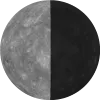
Waning Gibbous · 73% illuminatedVisible 22:05–04:56
The Moon rises around 22:10; observe fainter stars, galaxies and nebulae beforehand, away from city lights.
Lunar highlights: Mare Imbrium, Plato, Clavius
Tonight’s Highlights
Saturn, the ringed planet, is suitable for observing now. It is a naked-eye target, with a telescope revealing its rings.
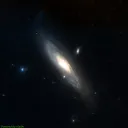
Andromeda Galaxy (M31) can be observed now. Under dark skies, binoculars reveal its bright central region.
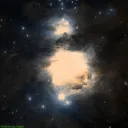
Orion Nebula (M42), a bright nebula, is already a good observing target. Binoculars are useful, with darker skies helping.
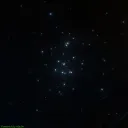
The star cluster Pleiades (M45), a familiar pattern of stars, is suitable for observing now. Binoculars show more stars.
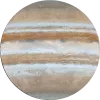
Jupiter, the largest planet, is a later-night target, around 01:00. It is a naked-eye target, with a telescope revealing more detail.
Venus, a bright planet, is worth observing before dawn, around 04:00. The naked eye is enough.
Constellations to Spot Tonight
Orion: Three Belt stars sit inside a bright four-star outline. The pattern is toward the east now; it remains favorably placed until around 04:30.
Cassiopeia: Five stars trace a distinctive W. The pattern is toward the north now; it remains favorably placed until around 23:30.
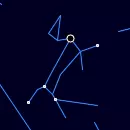
Taurus: Aldebaran marks one arm of the V-shaped Hyades. The pattern is toward the north-east now; it remains favorably placed until around 04:30.
Solar System Objects
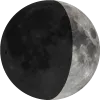
Close Approaches
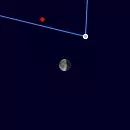
Jupiter near Moon — closest 1.05°
30 November 2026 at 08:26
Mars near Moon — closest 3°
30 November 2026 at 16:54