Sky Tonight
All you can find in the sky. Even clouds.
Sky Map
What’s Visible Tonight — November 14–15
- Sunset
- 17:47
- Stargazing
- 18:35–04:53
- Sunrise
- 05:42
Moon
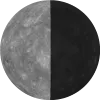
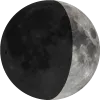
Waxing Crescent · 25% illuminatedVisible 18:35–22:11
Moonlight won’t interfere during this observing window. How clearly you can see faint stars depends mainly on local light pollution.
Lunar highlights: Mare Crisium, Mare Tranquillitatis
Tonight’s Highlights
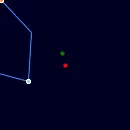
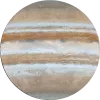
Mars / Jupiter — close planet pairing. observing window 03:35–04:53.
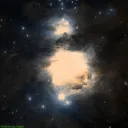
Orion Nebula (M42), a bright nebula, is suitable for observing now. Binoculars are useful, with darker skies helping.
Beehive Cluster (M44), an open cluster of stars, can be observed now. Binoculars bring out its stars.
The star cluster Pleiades (M45), a familiar pattern of stars, is already a good observing target. Binoculars show more stars.
Rigel, a bright sky landmark, is suitable for observing now. The naked eye is enough.
Sirius, a bright sky landmark, can be observed now. The naked eye is enough.
Venus, a bright planet, is worth observing before dawn, around 04:30. The naked eye is enough.
Coming Up
Leonids — peak approaching around November 18. The shower is active. A useful dark-sky window is about 02:36–04:26 local time; watch with the naked eye. Bright moonlight may make fainter meteors harder to see tonight.
Constellations to Spot Tonight
Orion: Three Belt stars sit inside a bright four-star outline. The pattern is toward the west now; it remains favorably placed until around 04:20.
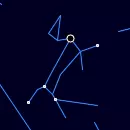
Leo: Find the sickle-shaped head, with Regulus at its base. The pattern is toward the north-east now; it remains favorably placed until around 04:20.
Taurus: Aldebaran marks one arm of the V-shaped Hyades. The pattern is toward the north-west now; it remains favorably placed until around 04:20.
Solar System Objects
Close Approaches
Mars near Jupiter — closest 1.19°
16 November 2026 at 01:51